
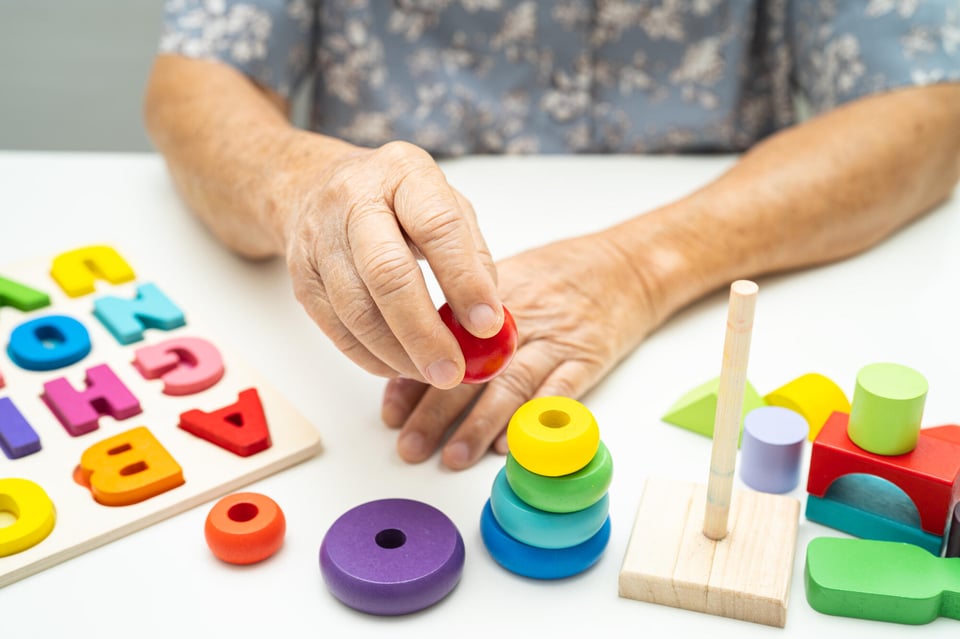
Clay Gardens Place Assisted Living supports brain health in daily life through engaging activities, social connections, balanced nutrition, and routines that stimulate memory and cognitive function.
Are you looking for ways to help a loved one maintain sharp thinking, memory, and mental vitality as they age?
Brain health becomes increasingly important in later years, and small daily habits can make a big difference. At Clay Gardens Place Assisted Living, located in Zanesville, a historic city nestled along the Muskingum River in east-central Ohio, residents enjoy a setting that blends small-town charm with access to cultural, recreational, and wellness-focused resources.
Gentle, brain-healthy routines, such as puzzles, memory games, creative arts, and group learning, keep the mind active and engaged. Residents benefit from both structured programs and flexible opportunities that allow them to explore new skills and hobbies at their own pace.
Why Is Brain Health Important for Seniors?
Maintaining brain health is essential for seniors because cognitive function directly affects independence, daily decision-making, and overall quality of life. Strong mental abilities help older adults remember important information, stay socially engaged, and manage routine tasks with confidence.
Cognitive wellness also plays a critical role in emotional health. Seniors who keep their minds active often experience improved mood, reduced stress, and a greater sense of purpose, which contributes to overall well-being.
Declines in memory, attention, or problem-solving can affect not only personal safety but also social connections and engagement. Supporting brain health through targeted activities and lifestyle habits helps seniors stay mentally sharp, socially connected, and empowered to enjoy life fully.
How Does Clay Gardens Place Assisted Living Encourage Brain-Healthy Habits?
Clay Gardens Place encourages brain-healthy habits by creating daily routines that keep residents mentally engaged, socially connected, and emotionally supported. Thoughtfully designed programs focus on stimulating memory, attention, and problem-solving while allowing residents to participate at a pace that feels comfortable and rewarding.
Residents benefit from activities that challenge the mind in enjoyable ways, including games, discussions, and creative pursuits that spark curiosity and learning. These experiences help strengthen cognitive skills while promoting confidence and a sense of accomplishment.
Social interaction is also a key part of brain health at Clay Gardens Place. Group activities and shared experiences encourage conversation, collaboration, and meaningful connection, all of which play an important role in supporting long-term mental wellness.
What Types of Cognitive Programs Are Available to Residents?
Clay Gardens Place offers a variety of cognitive programs designed to keep the mind active and engaged while supporting different interests and ability levels. These programs encourage residents to think critically, recall memories, and explore new ideas in a relaxed and supportive environment.
Memory-focused activities, such as word games, puzzles, and brain-training exercises, help strengthen recall and concentration. Creative programs, including art, music, and hands-on projects, stimulate different areas of the brain while allowing residents to express themselves and build confidence.
Educational and discussion-based opportunities, such as reading groups, guided conversations, and learning workshops, promote curiosity and social interaction. Together, these cognitive programs help residents stay mentally sharp, emotionally fulfilled, and connected to the world around them.
How Does Social Interaction Support Mental Wellness?
Social interaction plays a vital role in supporting mental wellness for seniors by keeping the brain active through conversation, shared experiences, and meaningful relationships. Regular social engagement helps stimulate memory, attention, and emotional regulation, all of which contribute to cognitive health.
At Clay Gardens Place, group activities and collaborative programs encourage residents to connect with peers in positive, low-pressure settings. These shared experiences help reduce feelings of isolation and loneliness, which are closely linked to cognitive decline and emotional distress.
Building friendships and participating in community life also gives residents a sense of belonging and purpose. Strong social connections support emotional resilience, boost mood, and reinforce brain-healthy habits that enhance overall quality of life.
Which Lifestyle Factors Contribute to Senior Brain Health?
Brain health is supported by a combination of daily habits that nurture both the mind and body. Balanced nutrition, proper hydration, and regular meals provide the energy the brain needs to function effectively and stay focused throughout the day.
Physical activity also plays an important role in cognitive wellness. Gentle exercise, stretching, and movement-based activities increase blood flow to the brain, support memory, and help reduce stress and anxiety.
Rest, relaxation, and stress management further contribute to mental clarity and emotional balance. Consistent sleep routines and calming activities help seniors feel refreshed, alert, and better equipped to engage in brain-stimulating programs and social interactions.
Frequently Asked Questions
How Often Should Seniors Participate in Brain-Stimulating Activities?
Regular engagement is most beneficial, and even short daily activities such as games, discussions, or creative projects can help support long-term cognitive health.
Can Brain-Healthy Activities Help Reduce Stress and Anxiety?
Yes, mentally engaging and enjoyable activities help redirect focus, promote relaxation, and support emotional balance, which can reduce feelings of stress and anxiety.
Are Cognitive Programs Beneficial for Seniors Without Memory Issues?
Absolutely, brain-stimulating activities are valuable for all seniors because they help maintain mental sharpness, encourage curiosity, and support healthy aging.
How Do Creative Activities Support Senior Brain Function?
Creative pursuits activate multiple areas of the brain, improving problem-solving, memory, and emotional expression while keeping the mind engaged in enjoyable ways.
Do Social Activities Really Impact Cognitive Health?
Yes, social interaction strengthens communication skills, supports memory recall, and helps protect against isolation-related cognitive decline.
Can Families Encourage Brain-Healthy Habits at Home?
Families can support brain health by encouraging conversation, shared activities, puzzles, reading, and continued learning outside of scheduled programs.
Can Learning New Skills Improve Brain Health in Older Adults?
Learning something new challenges the brain, strengthens neural connections, and helps seniors maintain cognitive flexibility as they age.
Do Brain-Healthy Activities Support Emotional Well-Being?
Yes, mentally stimulating activities often boost confidence, improve mood, and provide a sense of accomplishment, all of which support emotional wellness.
How Do Routine Activities Help Maintain Cognitive Function?
Consistent routines that include mental stimulation help reinforce memory, attention, and problem-solving skills while creating a sense of stability and comfort.
Encouraging Brain-Healthy Living at Clay Gardens Place
Clay Gardens Place Assisted Living creates an environment where brain health is supported through daily engagement, social connection, and purposeful routines. Residents are encouraged to stay mentally active with enriching programs, meaningful interactions, and lifestyle support that promotes confidence, focus, and emotional well-being.
What sets Clay Gardens Place apart is its personalized approach to care, paired with engaging activities, comfortable living spaces, and opportunities that nurture both independence and connection. This balance helps residents maintain cognitive strength while enjoying a fulfilling, community-centered lifestyle.
Contact our team to learn more about our community.